If you're considering veneers to transform your smile, one fear might be holding you back: Will veneers ruin my natural teeth?
It's a legitimate concern. After all, you're entrusting someone to permanently alter the teeth you've had your entire life. The last thing you want is to trade one cosmetic issue for long-term dental damage.
Here's the truth: When performed by an experienced cosmetic dentist, veneers do not damage or ruin your teeth. In fact, at Digiorno Dental Fitness in Folsom, Dr. Julianne Digiorno has helped hundreds of patients throughout El Dorado Hills, Orangevale, and Granite Bay achieve stunning smile transformations—without compromising their dental health.
The key lies in understanding what actually happens during the veneer process, how much tooth structure is involved, and what sets an expert cosmetic dentist apart from the rest. Because while the procedure itself is safe, the skill and precision of your dentist makes all the difference between a beautiful, lasting result and a problematic one.
Whether you're dealing with chipped teeth, discoloration, gaps, or simply want a more confident smile, veneers offer a proven solution. This article breaks down exactly how veneers work, what happens to your natural teeth, and what you need to know to make the right decision for your smile.
What Are Dental Veneers and How Do They Transform Teeth?
Dental veneers, including temporary veneers and traditional veneers, are custom-made, thin coverings that fit over the front surfaces of teeth to improve their appearance using high-quality materials like tooth-colored composite or porcelain. They are a popular choice for those looking to enhance their smile due to their ability to conceal imperfections such as chipped or broken teeth, uneven teeth, and yellow teeth. Whether you have chipped or broken teeth, discoloration, gaps, or misaligned teeth, porcelain veneers can offer a solution that transforms your teeth into a beautiful, natural-looking smile.
A variety of dental veneers are available to choose from, including:
- Composite veneers use tooth-colored resin material and typically cost less than their porcelain counterparts, though you'll need to replace them more frequently—usually every 5-7 years versus porcelain's 10-20 year lifespan.
- Porcelain veneers offer a natural-looking and durable solution.
- No-prep veneers require less enamel removal, making them a less invasive option.
- Removable veneers, similar to retainers, can be taken out anytime.
Each type offers different benefits and options for your specific needs.
Improving the look of your smile is the main purpose of dental veneers. Whether you have chipped or broken teeth, discoloration, gaps, or misaligned teeth, veneers can offer a solution that transforms your teeth into a beautiful, natural-looking smile.
Do Veneers Damage Your Natural Teeth? Here's What Actually Happens
One of the most common concerns about dental veneers is whether they will damage your natural teeth. The process of getting veneers involves reshaping or shaving a thin layer of natural enamel to fit the veneers properly. This is a permanent alteration, as the natural enamel that is removed cannot be restored.
Porcelain veneers specifically require some enamel removal, whereas no-prep veneers are less invasive but still necessitate some enamel removal. The bonding process involves removing a thin layer of tooth enamel and attaching the veneers using dental adhesive. This ensures a secure fit and a natural look.
Veneers, when properly cared for, do not cause veneers damage to natural teeth, nor do they lead to a ruined smile. Regular brushing, flossing, and dental check-ups are crucial to maintain good oral hygiene and prevent tooth decay and other issues. Neglecting these can make teeth more vulnerable to decay, but this is true for natural teeth as well.
Once you commit to veneers, the alteration to natural teeth necessitates the continuation of veneers. This underscores the importance of making an informed decision and understanding that veneers are a permanent solution that requires ongoing care and maintenance.
Why Minimal Tooth Preparation Protects Your Natural Enamel
Preserving the natural tooth structure as much as possible, minimal preparation for veneers involves only a fraction of the tooth enamel removal. Traditional porcelain veneers are designed to mimic natural teeth closely, ensuring that the aesthetic is both beautiful and functional.
For those concerned about the invasiveness of the procedure, no-prep veneers offer a less invasive option. These veneers require less enamel removal compared to traditional porcelain veneers, making them an attractive choice for patients looking to preserve their natural enamel as much as possible.
Ensuring that the veneers fit properly and look natural is crucial in the preparation process. An experienced cosmetic dentist will take meticulous care to remove only the necessary amount of enamel and shape the veneers to complement your natural teeth and smile.

How Long Do Porcelain Veneers Last? Durability You Can Count On
Porcelain veneers are renowned for their durability, typically lasting between 10 to 20 years with proper oral hygiene. Composite veneers, on the other hand, generally have a lifespan of around 5-7 years. The longevity of veneers depends on factors such as material quality, maintenance, and regular dental check-ups.
Avoiding habits that can cause damage, such as chewing ice, hard candies, or using your teeth as tools is important to extend the life of your veneers. Porcelain veneers are more durable and stain-resistant compared to composite veneers, making them a preferred choice for many patients.
Your veneers will stay beautiful and functional for years when you commit to consistent oral care—brushing twice daily, flossing regularly, and seeing your dentist every six months for professional cleanings. By taking these steps, you can ensure that your veneers remain in excellent condition for many years.
Why Your Choice of Cosmetic Dentist Determines Your Veneer Results
For a safe and successful veneer treatment, choosing a reputable cosmetic dentist is crucial. Skilled cosmetic dentists invest years in specialized education beyond dental school, mastering advanced aesthetic techniques through hands-on training and continuing education. This expertise ensures they can deliver safe, predictable results while following rigorous clinical protocols that protect your health throughout treatment.
Ensuring that the cosmetic dentist has the necessary experience of successful treatments is essential when selecting one. Scheduling consultations can help you determine who is best suited for your needs. An experienced cosmetic dentist like Dr. Julianne Digiorno in Folsom, CA, can provide personalized treatment plans tailored to your unique dental needs.
Dr. Digiorno is known for her meticulous attention to detail and commitment to ongoing education and training. By staying abreast of the latest trends and techniques in cosmetic dentistry, she ensures that her patients receive the highest quality care and natural-looking outcomes.
Veneers Pros and Cons: Making an Informed Decision for Your Smile
As a popular choice in cosmetic dentistry, veneers offer several aesthetic benefits. Covering chips, cracks, gaps, and discoloration, they have the ability to hide a variety of imperfections. This makes them a versatile solution for enhancing the appearance of your tooth surfaces. For many patients, veneers significantly improve the appearance of their smile, boosting their confidence and overall satisfaction.
Veneers can dramatically improve your smile by covering chips, cracks, gaps, and discoloration. If you're weighing your options between veneers and other cosmetic treatments, our comprehensive guide on veneers vs. dental bonding—comparing costs, longevity, and results—breaks down which option might be best for your situation.
Potential disadvantages, however, should be considered. Permanent veneers involve the irreversible alteration of your natural teeth, making it a decision that should not be taken lightly. Additionally, removable veneers can make it difficult to eat and may affect speech, which can be inconvenient for some patients.
Despite these potential drawbacks, most people find the benefits of veneers outweigh the disadvantages. The key is to have a thorough consultation with an experienced cosmetic dentist to understand the procedure, expectations, and maintenance involved.
Veneers can be an excellent solution for those seeking to correct cosmetic flaws and achieve a beautiful smile. It’s important to weigh the pros and cons and make an informed decision that aligns with your dental needs and lifestyle.

How to Keep Your Veneers—and Natural Teeth—Healthy for Years
For extending the life and quality of your veneers, maintaining good oral hygiene is essential. Brush your teeth twice daily for two minutes with fluoride toothpaste to ensure thorough cleaning, including teeth with veneers. Flossing once daily is crucial to remove plaque hiding between teeth and along the gum line, which helps in preventing cavities.
Using a fluoride mouth rinse once daily can help strengthen remaining tooth enamel and wash away residual plaque or food particles. Limiting sugary foods and drinks can prevent plaque buildup and cavity formation.
For professional teeth cleaning and monitoring the condition of your veneers, regular dental check-ups every six months are recommended. Practicing good oral hygiene can extend the life and quality of your veneers, ensuring that your smile remains stunning for years to come.
Frequently Asked Questions
Can veneers cause teeth problems?
Rarely, veneers can cause teeth problems such as chipping, decay, and alignment issues, leading to rough edges or overhangs. It's important to ensure proper alignment to avoid these issues. And of course, good oral hygiene.
How long do porcelain veneers last?
Porcelain veneers generally last between 10 to 20 years, provided that you maintain good oral hygiene and visit your dentist regularly.
What are the different types of dental veneers?
There are four main types of dental veneers: composite, porcelain, no-prep, and removable. Each type has its own set of pros and cons. Call for a consultation for what best fits your needs.
Can I remove veneers once they are placed?
No, once you have permanent veneers placed, they involve irreversible alteration of your natural teeth, so you will need to continue with them.
How do I maintain my veneers?
To maintain your veneers, focus on good oral hygiene habits such as brushing twice daily, flossing once daily, using a fluoride mouth rinse, limiting sugary foods and drinks, and scheduling regular dental check-ups. This will help preserve the condition of your veneers and keep your smile bright and healthy.
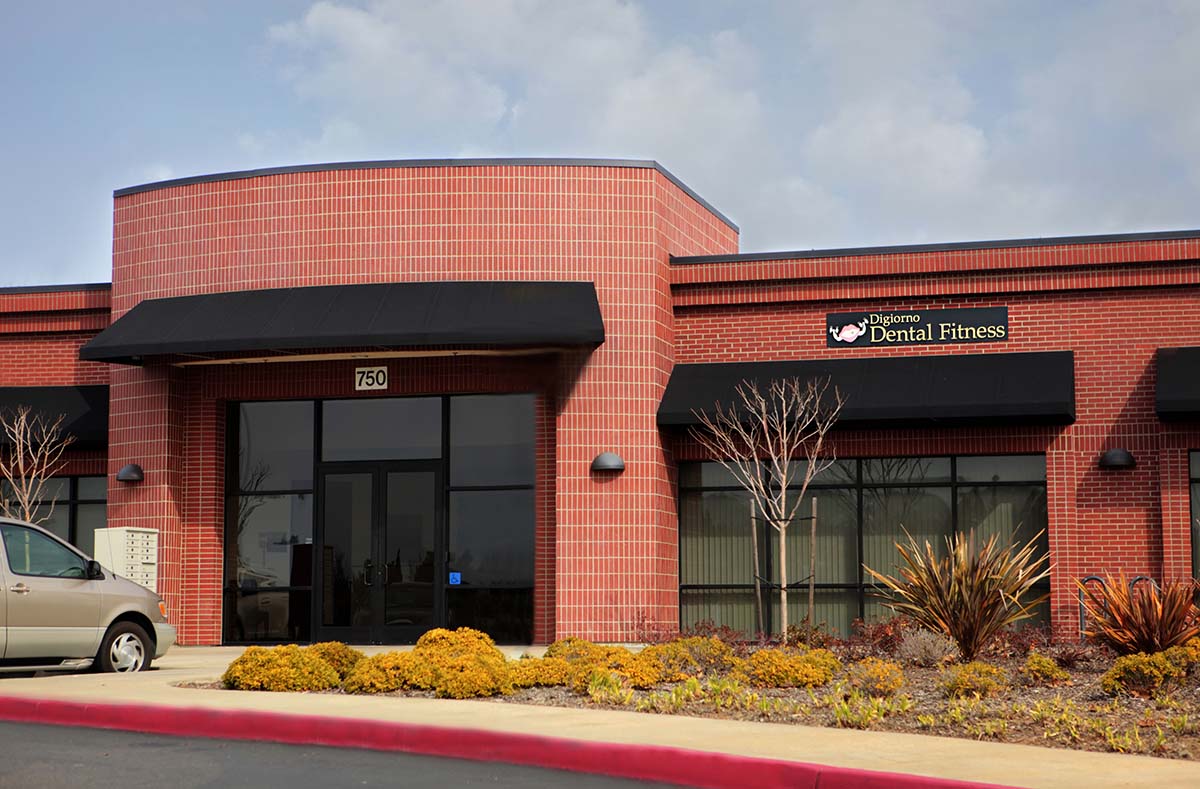
Ready for a Stunning Smile With Veneers in Folsom?
You don't have to live with chipped, stained, or gapped teeth—and you don't have to worry about damaging your natural teeth in the process of fixing them.
At Digiorno Dental Fitness, Dr. Julianne Digiorno combines artistry with precision to create beautiful, natural-looking porcelain veneers that enhance your smile without compromising your dental health. With extensive training in cosmetic dentistry and memberships in leading dental organizations including the American Academy of Cosmetic Dentistry, Dr. Digiorno delivers results you can trust.
Your dream smile is closer than you think.
Call Digiorno Dental Fitness in Folsom today at (916) 817-6453 to schedule your appointment. We proudly serve families throughout El Dorado Hills, Orangevale, and Granite Bay who want cosmetic dentistry that looks beautiful and protects their long-term dental health.